
Understanding the Role of Interpol Lawyers in Global Law Enforcement
Casino’s zonder CRUKS Ontdek Vrijheid in Online Gokken
May 13, 2026Finest Online Slots Casino: A Guide to Choosing the Perfect Site
May 13, 2026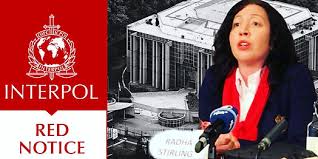
In the complex world of international law enforcement, the role of Interpol Lawyers interpolrednoticeremoval.com is increasingly vital. These legal professionals are not only tasked with understanding the intricate workings of Interpol but also with providing essential guidance to countries, individuals, and organizations involved in cross-border legal matters. This article delves into the significance of Interpol lawyers, the challenges they face, and how they contribute to global justice.
What is Interpol?
Interpol, or the International Criminal Police Organization, is an intergovernmental organization that facilitates international police cooperation. Established in 1923, it now encompasses 195 member countries, making it one of the world’s largest organizations focused on law enforcement collaboration. Interpol’s primary objective is to combat transnational crime and terrorism, providing essential support to law enforcement agencies worldwide.
The Role of Interpol Lawyers
Interpol lawyers play a pivotal role in navigating the legal frameworks within which the organization operates. They interpret and apply various international laws, treaties, and agreements while ensuring that member countries adhere to legal standards during their cooperation efforts. Their work is fundamental in several domains, including:
1. Legal Advisory
Interpol lawyers provide legal advice to the organization on matters related to international law, human rights laws, and the regulations governing police cooperation. They help ensure that Interpol’s operations comply with the legal standards of its member countries and international law.
2. Handling Red Notices
Red Notices are requests to locate and provisionally arrest individuals pending extradition. Interpol lawyers are involved in the procedural aspects of issuing and lifting these notices. They ensure that such actions abide by human rights and legal standards, preventing misuse for political or other non-judicial reasons.
3. Supporting Member Countries
Interpol lawyers assist member countries in understanding their obligations under Interpol’s rules and regulations. They help resolve disputes between countries regarding extradition and other legal cooperation issues, thereby promoting effective international collaboration.

Challenges Faced by Interpol Lawyers
The work of Interpol lawyers is challenging due to various factors:
1. Diverse Legal Systems
Given the vast number of member countries, each with its legal system, Interpol lawyers must navigate a patchwork of laws. This diversity can complicate collaborative efforts, as each country may interpret international treaties differently.
2. Political Pressures
Interpol lawyers often encounter political pressures that may influence legal decisions. Countries may attempt to use Interpol notices for political gain, which poses ethical dilemmas for lawyers dedicated to upholding justice.
3. Human Rights Concerns
As guardians of human rights, Interpol lawyers must ensure that legal actions do not infringe on individual rights. This requires a delicate balance between law enforcement goals and human rights safeguards.
Impact of Interpol Lawyers on Global Justice
Despite the challenges, the impact of Interpol lawyers on global justice is significant. Their work helps to uphold the rule of law in international contexts, facilitates fair legal processes, and enhances cooperation among countries. By addressing legal complexities, they help foster an environment where justice can be effectively delivered.
Conclusion
In conclusion, Interpol lawyers play an indispensable role in the realm of international law enforcement. Their expertise not only strengthens the legal basis of Interpol’s operations but also ensures that the pursuit of justice is conducted fairly and equitably. As global crime becomes more complex, the importance of these legal professionals will continue to grow, highlighting the need for rigorous legal frameworks and ethical considerations in international policing efforts.
