
Uncovering the truth behind famous gambling myths What you need to know
Spinmama Casino : Gains rapides et sessions de jeu intenses
April 25, 2026ten Best Mobile Casinos and Applications for real Money Video game 2026
April 25, 2026Uncovering the truth behind famous gambling myths What you need to know
The Myth of the Lucky Charm
One of the most pervasive myths in gambling is the belief that certain objects, like lucky charms or tokens, can influence the outcome of a game. Many players believe that carrying a specific item or wearing particular clothing can turn their fortunes around. This concept is deeply rooted in superstition and psychological comfort rather than any real impact on the games themselves. The truth is, games of chance are governed by statistical probabilities, and external objects have no effect on the outcome. Additionally, for those looking for a thrilling new challenge, the Chicken Road Game offers an exciting opportunity to test decision-making skills.
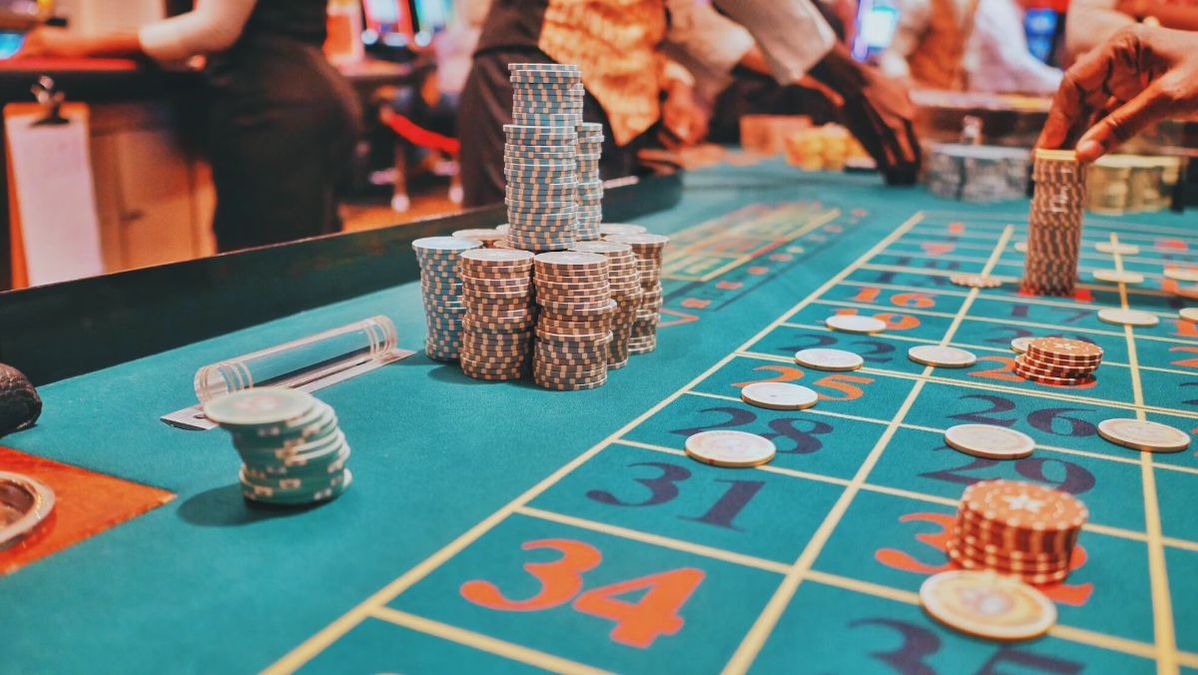
In various gambling cultures, players often attribute their wins or losses to these supposed lucky charms. For instance, in casinos, you might see players rub their lucky coins or wear socks that they believe bring good luck. While this behavior can create a positive mindset that may enhance the gambling experience, it does not alter the inherent randomness involved in games such as slots, blackjack, or roulette.
Instead of relying on superstitions, it’s essential for players to understand the mathematics behind gambling games. Familiarizing oneself with the odds and the house edge can lead to more informed decisions, ultimately improving the gambling experience. The focus should be on strategy and skill development rather than misplaced faith in lucky charms.
The Gambler’s Fallacy
The gambler’s fallacy is a common misconception where players believe that past events influence future outcomes in games of chance. For example, if a roulette wheel has landed on red several times in a row, some players might mistakenly assume that black is “due” to appear. This line of thinking disregards the independence of each spin or hand and can lead to poor decision-making. The reality is that players who engage in games like the Jeu de Pari Chicken Road need to recognize this fallacy to improve their strategies.
In reality, each round of a game is an independent event, unaffected by previous results. Casinos design games with specific odds that remain constant over time. The belief that one outcome can affect another is simply a cognitive bias that can lead players to chase losses or make irrational bets. Understanding the nature of randomness can help mitigate the risks associated with this fallacy.
Educating oneself about probability can empower players to make more rational decisions. By recognizing that the past has no bearing on future outcomes, gamblers can approach their gameplay more strategically, focusing on expected values and probabilities rather than being swayed by false patterns.
The “House Always Wins” Notion
Another widely held belief is that the house always wins, implying that players are destined to lose in the long run. While it’s true that casinos have a built-in advantage, often referred to as the house edge, this doesn’t mean that winning is impossible. Many players enjoy substantial wins over time, and some even make a profit. Understanding the house edge is crucial for informed betting strategies.
The house edge varies across different games, and players who learn optimal strategies can significantly enhance their chances. For example, skilled poker players often compete against each other rather than against the house, allowing them to leverage their skills to gain an advantage. Additionally, games like blackjack offer opportunities for players to employ strategies that can reduce the house’s advantage.
It’s essential to recognize that while casinos are designed to make a profit, they also rely on players enjoying the experience. Balancing entertainment with realistic expectations can lead to a more satisfying gambling experience. Players can improve their odds by selecting games wisely and applying effective strategies.
Myth of Betting Systems
Many gamblers are drawn to betting systems that promise to guarantee wins by employing specific strategies for placing bets. Popular systems, such as the Martingale strategy, involve doubling bets after losses, which aims to recoup previous losses with a single win. However, these systems often ignore the fundamental principles of probability and risk, leading to potential financial pitfalls.
In truth, no betting system can overcome the inherent odds of gambling games. Casinos are built with a mathematical advantage that ensures long-term profitability. While systems may provide short-term excitement, they often lead to significant losses. Players can fall into a trap of chasing their losses, which may escalate their financial risk.
Instead of relying on flawed betting systems, it’s wiser for gamblers to focus on bankroll management and setting limits. Developing a sound strategy grounded in understanding the odds and probabilities can lead to more sustainable gameplay. Recognizing that luck plays a significant role in gambling can help players maintain a healthier perspective on their gaming habits.

Your Guide to Responsible Gambling
Understanding the truths behind common gambling myths can empower players to approach gambling more responsibly. Awareness of these misconceptions helps to create a more enjoyable and sustainable gaming experience. Setting limits on time and money spent while gambling fosters healthier habits and minimizes risks associated with addiction.
Incorporating education about odds and strategies also plays a vital role in responsible gambling. Players who take the time to learn the intricacies of the games they play are better equipped to make informed decisions. Joining discussions in gaming communities can provide valuable insights and strategies that enhance gameplay while promoting accountability.
Ultimately, gambling should be approached as a form of entertainment rather than a way to make money. By cultivating a responsible mindset, players can enjoy their favorite games without falling prey to myths that might lead to poor decisions. Staying informed and practicing moderation is the key to an enjoyable gambling experience.
