Understanding Legal Support in Sanctions Matters What Businesses Need to Know
Understanding Legal Support in Sanctions Matters Protecting Businesses from Compliance Challenges
May 14, 2026
Understanding Legal Support in Sanctions Matters: What Businesses Need to Know
In today’s globalized economy, businesses increasingly operate across borders, making them susceptible to the complex web of international sanctions. This is where legal support in sanctions matters becomes crucial. Whether you’re a multinational corporation or a small business, understanding sanctions is vital for ensuring compliance and avoiding severe penalties.
What Are Sanctions?
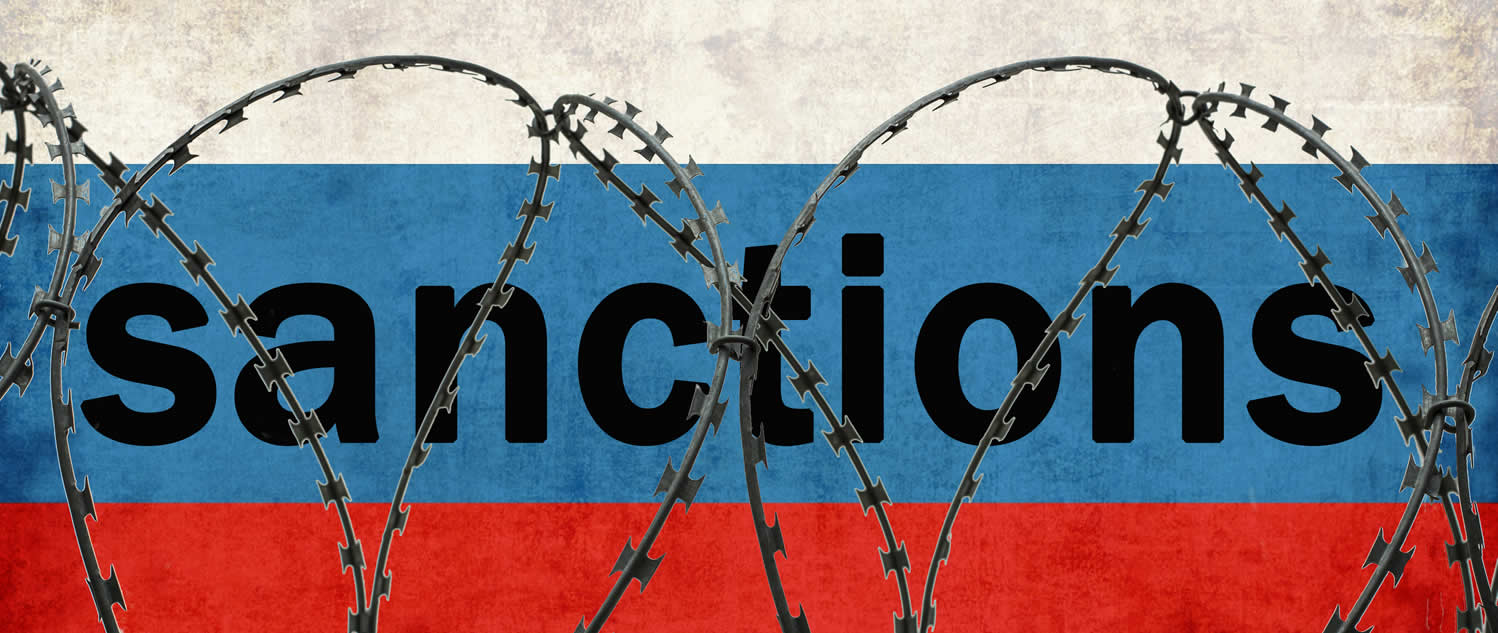
Sanctions are restrictive measures adopted by countries or international organizations aimed at influencing the behavior of a targeted state, individual, or entity. These measures can take various forms, including trade restrictions, asset freezes, and travel bans. They are typically implemented to address issues related to national security, human

rights abuses, or violations of international law.
The Importance of Legal Support
Legal support in sanctions matters serves several critical functions:
- Compliance Guidance: Legal experts provide essential guidance on compliance with applicable sanctions laws and regulations. This includes understanding the specifics of sanctions legislation in various jurisdictions.
- Risk Assessment: Businesses need to identify potential risks associated with their operations. Legal professionals help assess exposure to sanctions and develop strategies to mitigate those risks.
- Transaction Screening: Legal support includes verifying whether potential clients or partners are subject to sanctions. This ensures that businesses do not inadvertently engage with sanctioned entities.
- Dispute Resolution: In cases of sanctions violations or disputes arising from sanctions-related issues, having legal support can aid in navigating complex legal challenges and resolving disputes efficiently.
Types of Sanctions
Sanctions can be categorized into several types, each serving distinct purposes:
- Economic Sanctions: These involve financial restrictions, including the freezing of assets and prohibiting transactions with designated individuals or entities.
- Trade Sanctions: Trade restrictions may involve prohibiting the export or import of specific goods, services, or technologies.
- Travel Bans: Travel sanctions prevent certain individuals from entering or transiting through specific countries.
- Military Sanctions: These involve arms embargoes that restrict the transfer of weapons and military-related goods.
Compliance Strategies for Businesses
To effectively navigate the complexities of sanctions, businesses should implement comprehensive strategies:
- Develop a Compliance Program: Create a robust compliance program that outlines policies and procedures for adhering to sanctions regulations.
- Conduct Regular Training: Provide regular training to employees on sanctions compliance to ensure that they understand their responsibilities.
- Utilize Screening Tools: Implement automated screening tools to monitor transactions and identify sanctioned entities.
- Stay Informed: Keep abreast of changes in sanctions laws and regulations to adapt compliance strategies accordingly.
International Collaboration and Sanctions
Sanctions are often the result of international cooperation among nations. Understanding your business’s standing concerning these sanctions can require legal experts familiar with multiple jurisdictions:
- US Sanctions: The US issues sanctions primarily through the Office of Foreign Assets Control (OFAC). Compliance with US sanctions can affect businesses globally, even if they are not US-based.
- EU Sanctions: The European Union has its sanctions regime, which may differ from US sanctions. Businesses operating in Europe must navigate these regulations carefully.
- UN Sanctions: The United Nations can impose sanctions aimed at maintaining international peace and security. Compliance with these sanctions is mandatory for all member states.
Conclusion
In an era where sanctions regimes are becoming more common and complex, securing adequate legal support in sanctions matters is not just advisable; it is essential. By implementing effective compliance strategies and seeking expert legal advice, businesses can mitigate risks, avoid penalties, and navigate international markets with confidence. The implications of sanctions are significant, and proactive engagement with legal professionals ensures businesses are well-equipped to manage these challenges.
Call to Action
If your business deals with international partners or is at risk of sanctions exposure, consider reaching out to a legal expert specializing in sanctions matters to ensure compliance and protect your interests. Stay informed, stay compliant, and safeguard your business today.
