Fixed Costs vs Variable Costs for Small Business Owners
1xbet Как войти как зайти на 1хбет, вход на 1 икс бе
November 26, 20221xBet kz ᐅ Букмекерская контора в Казахстане ᐅ Ставки на спорт 1хбет ᐅ Официальный сай
November 28, 2022
Fixed costs, variable costs, and total costs all sound similar, but there are significant differences among the three. The main difference is that fixed costs do not account for the number of https://www.bookstime.com/ goods or services a company produces, while variable costs and total costs depend primarily on that number. Understanding the difference between fixed and variable costs is critical for individuals and businesses alike. Whether you’re managing your household budget or analyzing company expenses, these two types of costs play a significant role in decision-making, cash flow management, and profitability.
Variable Cost: What It Is and How to Calculate It

Another important aspect of fixed costs is that they can be both direct and indirect. Direct fixed costs are expenses that are specifically tied to a particular product or service, such as the salary of a supervisor overseeing a specific production line. Fixed costs are also considered sunk costs, meaning they cannot be easily recovered or changed in the short term. As a result, decision-makers need to carefully consider fixed costs when evaluating the feasibility of new projects or investments. While fixed costs may not directly impact the cost per unit, they significantly affect the breakeven point and profitability of a business. Variable expenses used in this analysis can include the raw materials or inventory involved in the production, whereas fixed costs can include rent for the production plant.

How to Determine Cost of Goods Sold
- Fixed Costs are independent of output and its dollar amount remains constant irrespective of a company’s production volume.
- Conversely, a business with mostly variable costs (like a custom furniture maker) sees less dramatic improvement in margins as they grow.
- Mr. Hari Lal Ltd. spends 14.20 in fixed costs per unit produced at the present rate of 6,000 dolls each month.
- Whether production increases or decreases, rent will stay the same.
- By understanding the nature and behavior of these costs, a business can improve its performance, efficiency, and profitability.
- These contain both a fixed component (e.g., a base fee) and a variable component that fluctuates with usage or production.
Fixed costs are typically incurred on a regular basis, often monthly or annually, and are necessary for the basic operation of a business. By using these formulas Bookkeeping for Startups and data, business owners and managers can calculate their fixed and variable costs and understand how they affect their profitability and efficiency. For example, they can compare their average total cost with their selling price and determine their profit margin. They can also analyze how their costs change with different levels of output or sales and find the optimal level that maximizes their profit or minimizes their loss. They can also use these costs to set their break-even point, which is the level of output or sales that makes their total revenue equal to their total cost.
- This cost is a fixed expense because it doesn’t vary, and companies can use the amount depreciated to purchase new machinery after the old one turns into scrap.
- Economies of scale is a financial concept that describes how per-unit expenses tend to decrease as consumption increases.
- In financial accounting, variable costs are expenses that fluctuate with your business’s level of sales or production volume.
- These are costs charged to the company, regardless of its sales or production volume.
- Fixed costs are expenses that remain constant regardless of the level of production or business activity.
- Above that amount, they cost you more, depending on how much revenue you earn.
Examples of variable costs:
Understanding the fixed and variable costs your startup bears is crucial to calculating your break-even point. Semi-variable costs tend to have a fixed component up to a certain production level, with a variable element kicking in as production surpasses that threshold. Understanding your fixed and variable costs offers several benefits for your business. For example, widget company ZYX may have to spend $10 to manufacture one unit of product. Therefore, if the company receives an inordinately large purchase order during a given month, then its monthly expenditures rise accordingly.
Module: Production
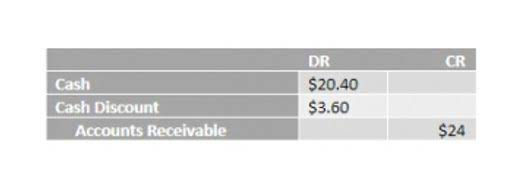
The rental is clearly fixed and, fixed costs vs variable costs if the usage is related to activity in an accounting practice, the usage is variable. Where calls cannot be traced to individual clients, they are normally treated as costs of the period – that is, they would be treated in the same way as fixed costs are treated. In this guide, we’ll explain the difference between fixed and variable expenses, provide examples of each, go over accounting differences for the two, and more. Whether it’s the office Christmas party or a week in Acapulco with your top clients, any event you have to plan will come with fixed and variable costs.
