
Exploring the psychology behind gambling behavior in casinos
De geheimen van winnende strategieën in online casino’s verkennen
February 26, 2026Exploring the psychology behind gambling behavior in casinos
February 26, 2026The Allure of Casinos
The environment of a casino is meticulously designed to engage the senses and entice players. Bright lights, vibrant colors, and the sounds of spinning wheels and clattering chips create an exhilarating atmosphere that draws people in. This sensory overload can trigger excitement, causing individuals to overlook potential risks and focus solely on the thrill of the game. The design elements of casinos are not just for decoration; they serve to enhance the psychological experience and keep players engaged for longer periods, with options like non gamstop casinos uk appealing to various preferences.
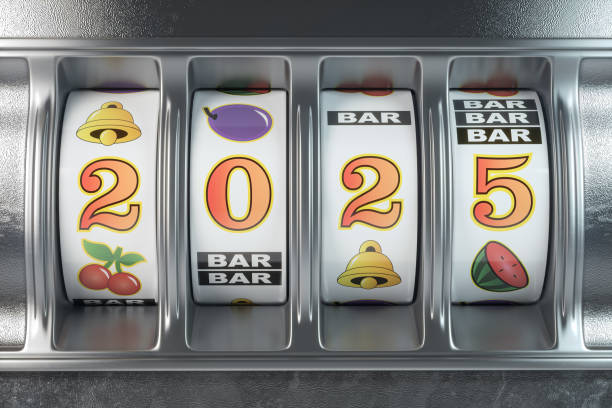
Additionally, the layout of a casino plays a crucial role in behavior. Casinos are often designed without windows or clocks, creating a timeless space where players can lose track of time and reality. This phenomenon, known as ‘temporal disorientation,’ can lead to extended gaming sessions and increased spending. The allure of casinos is enhanced by the social aspects as well, where players often find camaraderie and shared experiences, further deepening their emotional involvement in the gambling process.
The Role of Risk and Reward
The psychology of gambling is fundamentally tied to the concepts of risk and reward. Many players are drawn to the potential of winning big, which can create a dopamine response in the brain. This chemical reaction often reinforces the gambling behavior, making players crave the thrill of uncertainty. The excitement of the gamble can overshadow the reality of the odds, leading players to miscalculate their chances of winning, sometimes even in engaging environments that promote responsible gaming.
Through games of chance, players are subjected to variable reinforcement schedules, meaning that wins are unpredictable in terms of timing and amount. This unpredictability can make gambling more enticing, as players become conditioned to play longer in hopes of striking it lucky. In essence, the psychological interplay between risk, reward, and the unpredictability of games creates a compelling dynamic that fuels gambling behavior in casinos.
The Impact of Cognitive Biases
Cognitive biases significantly influence gambling behavior as players often fall prey to distorted thinking patterns. One common bias is the illusion of control, where gamblers believe they can influence the outcome of a game based on their decisions or strategies. This belief can lead to overconfidence and increased gambling activity, even when the game is purely based on chance. Such biases can distort players’ perceptions of their skills and strategies, contributing to irrational decision-making in high-stakes situations.
Another prevalent cognitive bias is the gambler’s fallacy, where individuals mistakenly believe that past events affect future outcomes in games of chance. For instance, a player might think that a slot machine is ‘due’ for a payout after a series of losses. This flawed reasoning perpetuates the cycle of gambling as players become trapped in their beliefs, leading to continued investment in games despite unfavorable odds. Understanding these cognitive biases can provide insight into the psychological mechanisms at play in gambling behaviors within casinos.
The Social Dimension of Gambling
Gambling is often a social activity that enhances the experience for many players. In casinos, the presence of other individuals can create an atmosphere of shared anticipation and excitement. This social interaction can serve to validate a player’s decision to gamble, reinforcing their behavior through collective enjoyment. The camaraderie formed amongst players can create a sense of belonging and identity, making the act of gambling more than just a solitary pursuit.
Moreover, casinos often host events and tournaments that foster a sense of community among gamblers, making the experience more engaging. This social element can amplify the emotional investment players have in their gambling behavior, making them less likely to consider the risks involved. The interplay between social dynamics and gambling also illustrates how external influences can shape individual behavior in a casino setting, further complicating the psychological landscape of gambling.

Prioritizing Safety in Online Gambling
As gambling continues to evolve with technology, particularly in online settings, the focus on user safety has become paramount. Websites employing advanced security measures aim to protect users from potential online threats, ensuring a safe gambling experience. While navigating these digital landscapes, it is essential for players to be aware of security features and the importance of responsible gambling practices.
For those interested in gambling, understanding the psychological aspects can lead to more informed decisions and healthier playing habits. Responsible platforms emphasize education about gambling behaviors, helping users make choices that align with their values and financial situations. By fostering a safe and secure environment, both online and in brick-and-mortar casinos, the industry can support players in enjoying gambling responsibly without compromising their well-being.
