Understanding Cuba Sanctions A Comprehensive Guide 1500740223
Leading Bitcoin Online Casinos: A Comprehensive Guide
May 11, 2026Understanding Cuba Sanctions A Comprehensive Guide 1509808363
May 11, 2026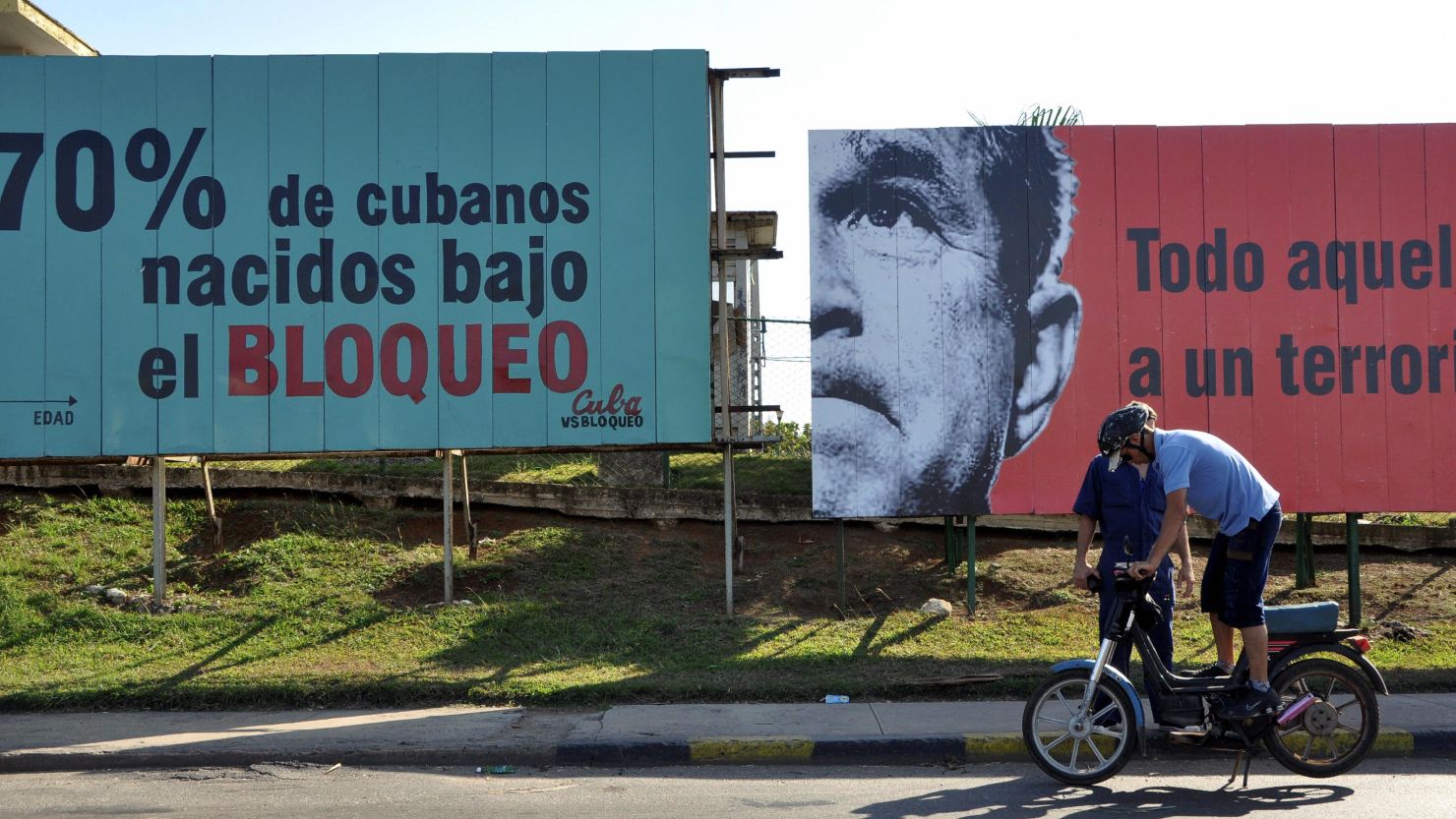
Understanding Cuba Sanctions: A Comprehensive Guide
Cuba sanctions have been a significant aspect of U.S. foreign policy for over six decades. These sanctions stem from historical conflicts, political disagreements, and concerns over human rights violations. Understanding the nuances of these sanctions is vital for individuals and businesses engaged with or interested in Cuba. For a detailed overview, refer to this guidance on Cuba sanctions, which outlines the legal frameworks and restrictions in place.
Historical Context of Cuba Sanctions
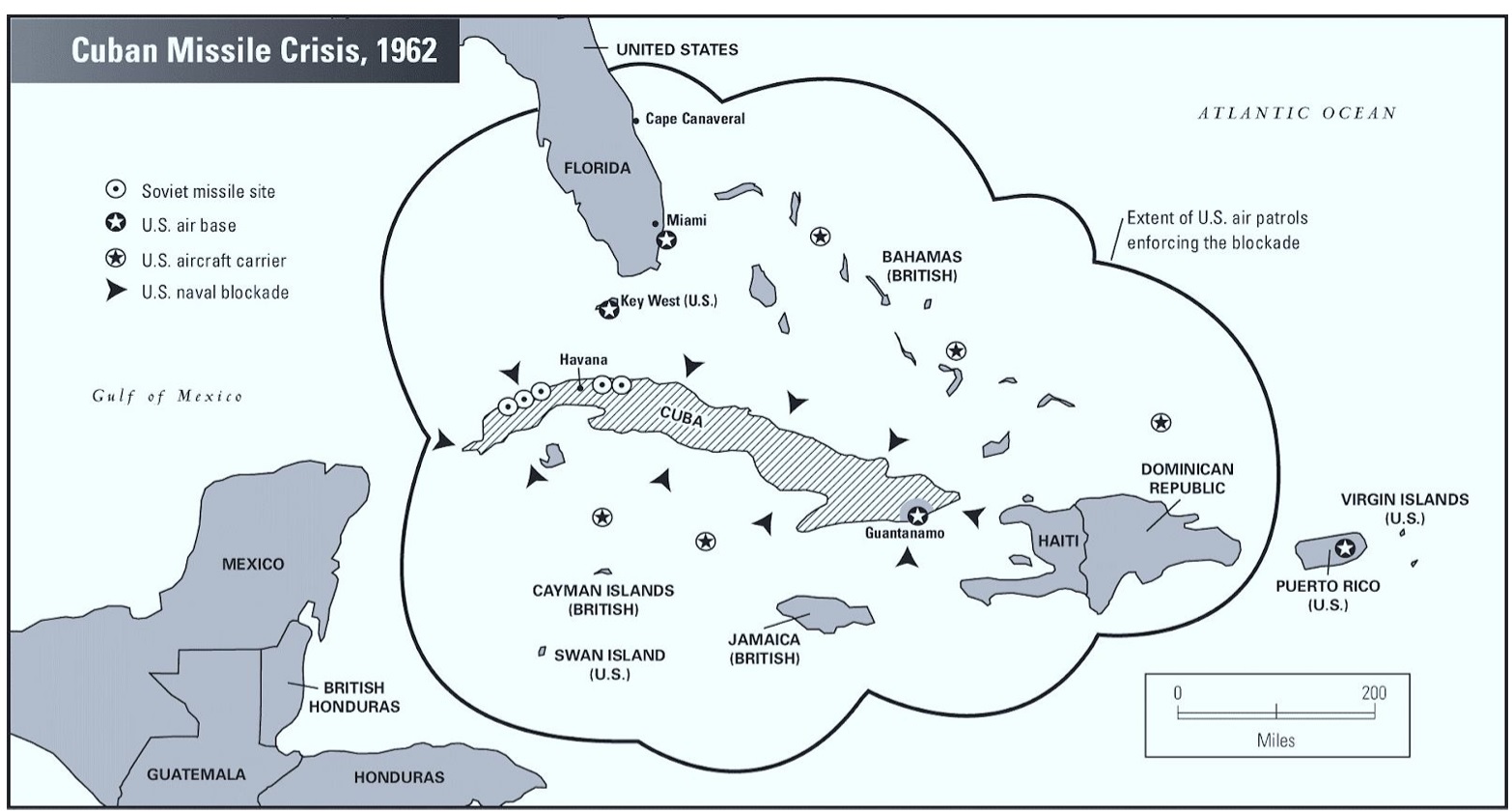
The origins of the sanctions date back to the early 1960s, shortly after the Cuban Revolution led by Fidel Castro. The U.S. imposed an economic embargo in response to Cuba’s alignment with the Soviet Union during the Cold War, which heightened tensions between the two nations. Over the years, the sanctions expanded to include restrictions on trade, travel, and financial transactions.
Types of Sanctions
The sanctions against Cuba can be broadly categorized into several types, including comprehensive trade sanctions, financial restrictions, and travel limitations. Each category carries specific implications for U.S. citizens and entities. Here’s a closer look:
Comprehensive Trade Sanctions
These sanctions prohibit most forms of trade with Cuba. U.S. businesses are largely restricted from exporting goods or providing services to the Cuban market. There are certain exceptions, such as the export of agricultural products and medicine, which are permissible under specific circumstances.
Financial Restrictions
U.S. financial institutions face significant restrictions when dealing with Cuban entities. Most financial transactions involving Cuba are prohibited, and any attempts to facilitate such transactions can lead to substantial penalties. This aspect of the sanctions affects remittances to Cuba and investments from U.S. citizens.
Travel Limitations
Travel to Cuba from the U.S. is heavily regulated. While the Obama administration relaxed some travel restrictions, subsequent administrations have tightened them again. Currently, U.S. citizens can only travel to Cuba under specific categories, such as family visits, official government business, journalism, and educational activities, among others.
Legal Framework
The legal framework governing U.S. sanctions on Cuba is primarily established by the Trading with the Enemy Act, the Cuban Democracy Act, and the Helms-Burton Act. Each of these laws plays a critical role in defining the scope and enforcement of the sanctions:
Trading with the Enemy Act (TWEA)
Initially enacted during World War I, the TWEA gives the U.S. government the authority to impose restrictions on trade with countries deemed enemies. This act serves as the foundation for the Cuba sanctions regime, allowing for broad powers over transactions.
Cuban Democracy Act
This legislation, enacted in 1992, aimed to strengthen the embargo by restricting U.S. economic assistance to countries that trade with Cuba, thus attempting to promote democratic reforms in the island nation.
Helms-Burton Act
Passed in 1996, the Helms-Burton Act codified the embargo into law, ensuring that it could only be lifted when Cuba had transitioned to a democratic government. This act also introduced measures that target foreign investors in Cuban properties that were nationalized after the revolution.
Implications of Sanctions
The implications of Cuba sanctions are far-reaching, affecting not just the Cuban economy but also U.S. citizens and businesses interested in engaging with Cuba. Here are some key areas impacted by the sanctions:
Economic Impact on Cuba
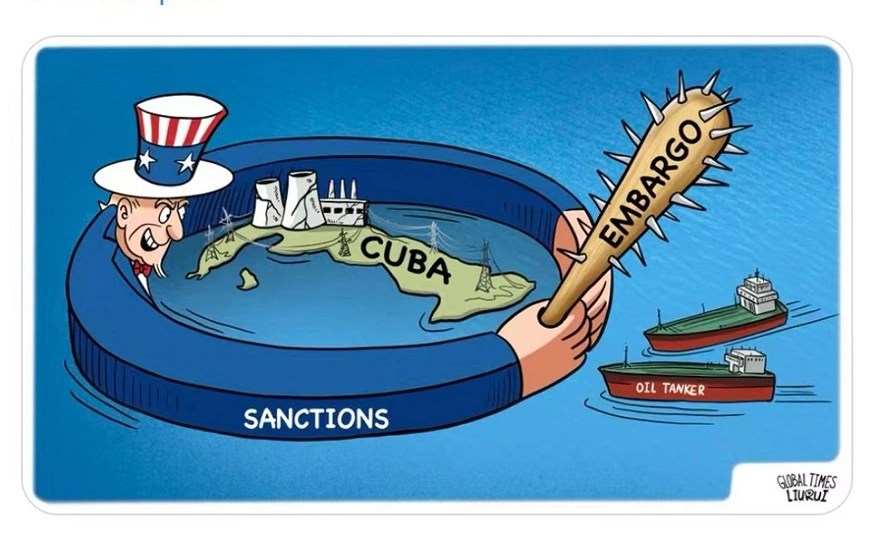
The economic situation in Cuba has been adversely affected by the embargo. The lack of access to U.S. markets and goods has led to shortages of crucial supplies, causing the standard of living to decline significantly over the years. Agricultural, pharmaceutical, and technology sectors have faced unprecedented challenges as a result of these restrictions.
Opportunities for U.S. Businesses
Despite the restrictions, some opportunities exist for U.S. businesses, particularly in the areas of agriculture, telecommunications, and environmental services. Companies must navigate the complex regulatory landscape to explore potential markets in Cuba while remaining compliant with sanctions.
Humanitarian Aid and Exceptions
While the sanctions primarily restrict trade, there are provisions that allow for humanitarian aid, including the provision of food and medical supplies. Nonprofit organizations often engage in efforts to provide essential services to the Cuban population despite the challenges presented by the sanctions.
Conclusion
As tensions between Cuba and the U.S. continue to evolve, understanding the intricate details of Cuba sanctions is vital for anyone engaged with or interested in Cuban affairs. From their historical context to their legal implications, Cuba sanctions represent a complex and often controversial aspect of U.S. foreign policy. Staying informed about current regulations and potential changes is crucial for compliance and engagement strategies.
For more detailed legal guidance and updates on the evolving sanctions landscape, individuals and businesses are encouraged to refer to reliable resources and legal expertise.
