
Understanding Belarus Sanctions Key Guidance for Businesses
Mostbet Тоҷикистон – Таврҳои зуд ва Gaming бо эҳсоси баланд барои Бозигари Модерн
May 11, 2026Leading Bitcoin Online Casinos: A Comprehensive Guide
May 11, 2026
Understanding Belarus Sanctions: Key Guidance for Businesses
As global geopolitics continues to evolve, the need for businesses to stay informed about international sanctions has never been more critical. Belarus sanctions guidance serves as a crucial resource for organizations engaged in trade or investment activities related to Belarus. This article outlines the important aspects of these sanctions, their implications for businesses, and best practices for compliance.
Overview of Belarus Sanctions
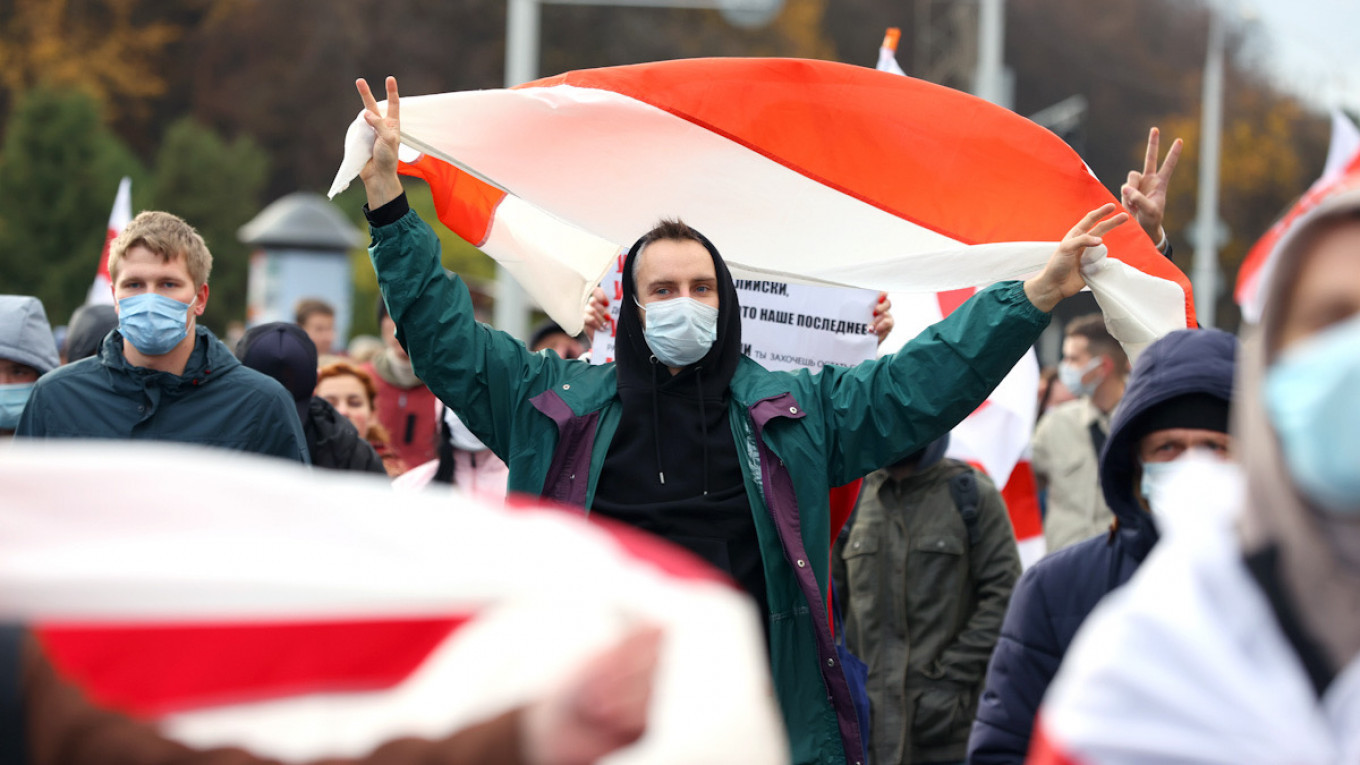
Sanctions against Belarus were largely implemented in response to various issues, including human rights abuses, election fraud, and aggressive military actions. Various nations and organizations, including the European Union, the United States, and the United Kingdom, have imposed sanctions aimed at encouraging the Belarusian government to change its policies and behaviors. These sanctions typically include asset freezes, travel bans on key individuals, and restrictions on business dealings with specific entities.
Types of Sanctions
Sanctions can be broadly classified into several categories:
- Economic Sanctions: These include restrictions on trade, investment, and financial transactions with Belarusian companies and institutions.
- Sectoral Sanctions: These target specific sectors of the Belarusian economy, such as energy, banking, and information technology, limiting Western businesses’ access to these markets.
- Individual Sanctions: Specific individuals associated with the Belarusian government or implicated in human rights violations may face travel bans and asset freezes.
- Comprehensive Sanctions: In some scenarios, a broad array of restrictions may apply to all trade and investment activities in Belarus.
Legal Obligations for Businesses
Businesses engaging with Belarus must be aware of their legal obligations under these sanctions. Compliance is not only important for avoiding fines and penalties but also for protecting a company’s reputation. Some key obligations include:
- Due Diligence: Companies must conduct thorough due diligence to ensure they are not inadvertently engaging with sanctioned individuals or entities. This may involve screening customers, partners, and other associated parties against government-sanctioned lists.
- Reporting Obligations: Under certain jurisdictions, businesses may be required to report any transactions or activities that involve sanctioned individuals or entities to relevant authorities.
- Training Employees: Training staff to recognize and prevent potential violations is crucial. This includes understanding the sanctions landscape and knowing the company’s policies regarding compliance.
Risk Assessment
Before deciding to engage with Belarus, businesses should conduct a thorough risk assessment. Factors to consider include:
- Market Conditions: Understanding the current economic and political situation is vital for evaluating the potential risks and opportunities.
- Operational Risks: Identify risks that may arise from day-to-day operations, including supply chain vulnerabilities and reliance on certain partners.
- Reputational Risks: Consider the potential impact on brand reputation and public perception in the event of non-compliance.
Best Practices for Compliance
To mitigate risks associated with Belarus sanctions, companies should implement best practices for compliance:
- Develop a Compliance Program: Create a comprehensive sanctions compliance program that outlines policies, procedures, and protocols for monitoring and complying with sanctions.
- Regular Updates: Sanctions regimes can change frequently. Therefore, businesses should regularly update their compliance programs to reflect the latest developments in sanctions laws.
- Engage Legal Experts: Consulting with legal professionals specializing in international trade and sanctions can provide vital insights and guidance in navigating the complex landscape.
Conclusion
In conclusion, understanding and complying with Belarus sanctions is an essential responsibility for businesses looking to engage in or continue their operations in Belarus. Through diligence, risk assessment, and adherence to best practices, companies can navigate the challenging environment while fostering lawful and e

thical business practices. As the geopolitical landscape continues to shift, staying informed about developments in sanctions laws and regulations will remain a crucial aspect of effective business strategy.
